
Showing all 6 results
-
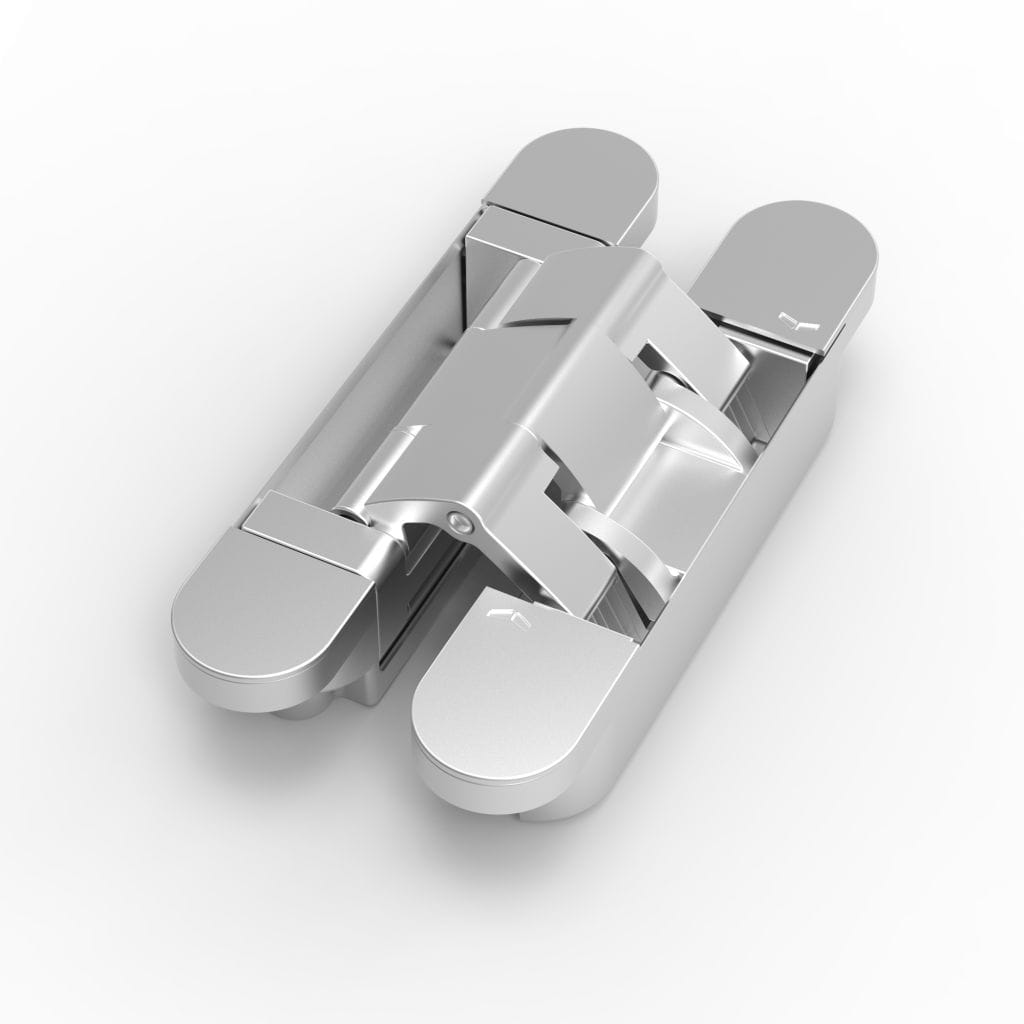 details →: Arlu® (Argenta) Invisible Neo Concealed Hinge L7Price range: NZ$297.00 through NZ$335.00
 -
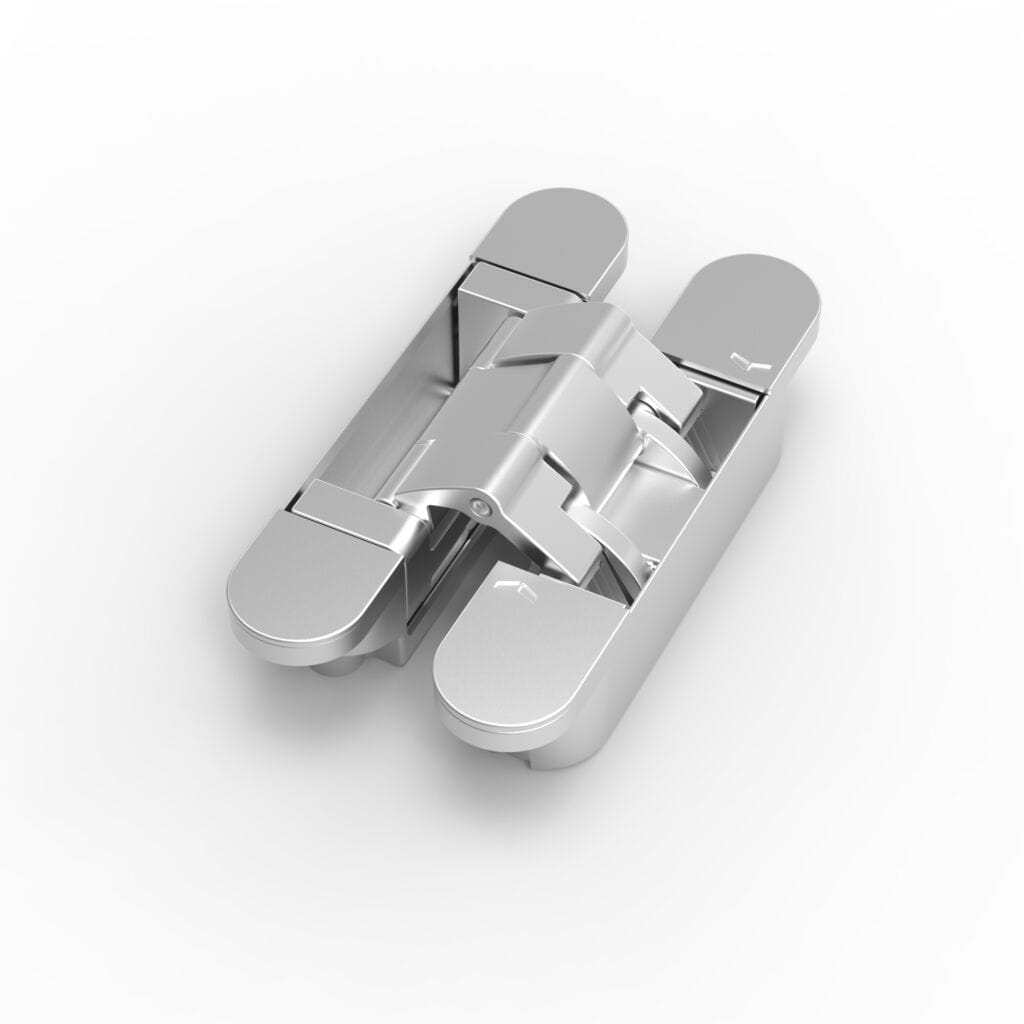 details →: Arlu® (Argenta) Invisible Neo Concealed Hinge M6Price range: NZ$177.00 through NZ$209.00
 -
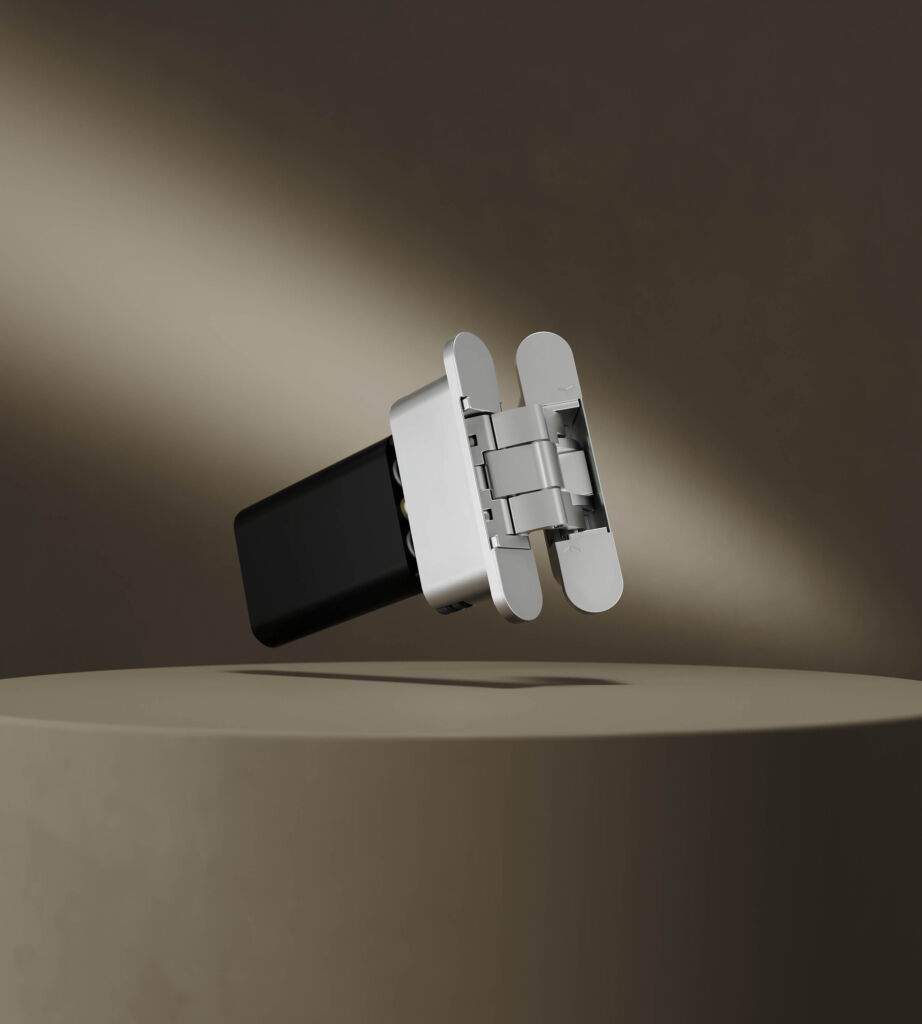 details →: Arlu® (Argenta) Invisible Neo Concealed Hinge M6 SelfclosePrice range: NZ$915.00 through NZ$943.00
 -
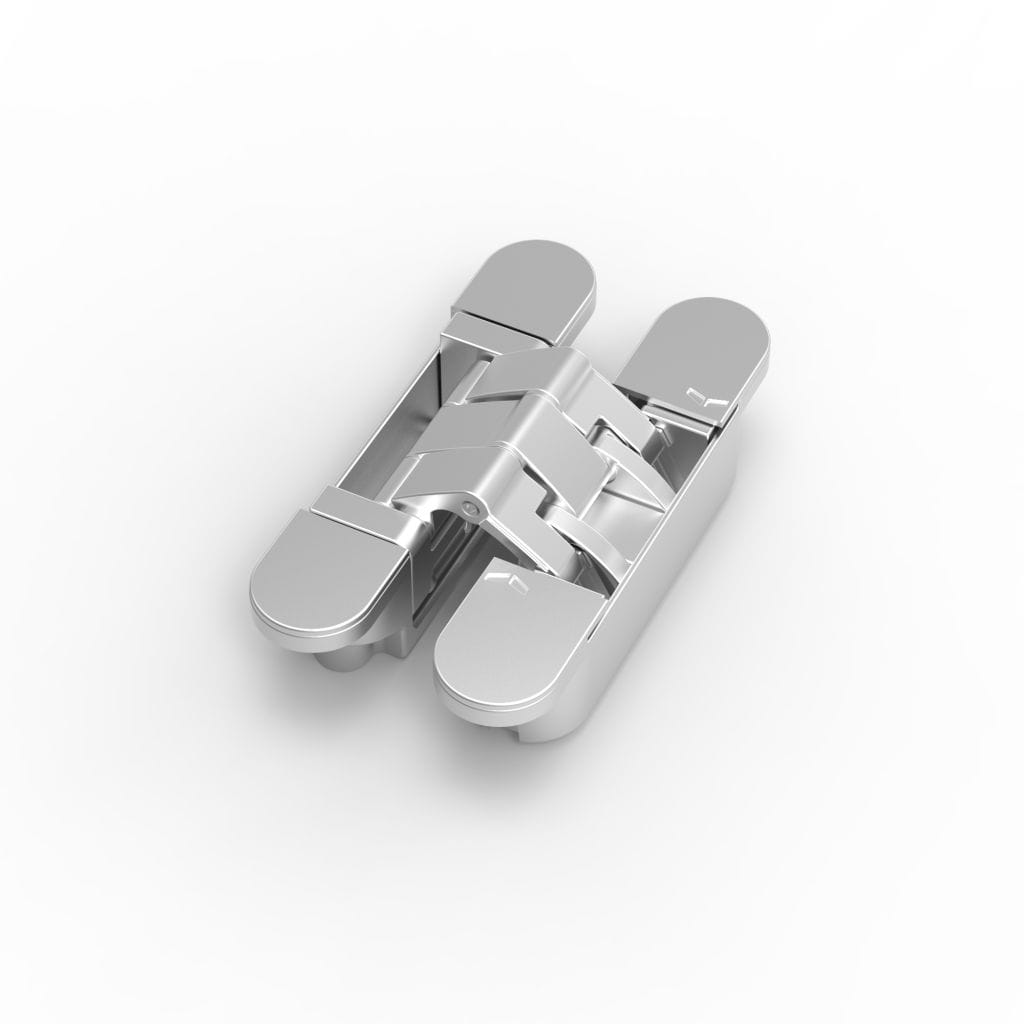 details →: Arlu® (Argenta) Invisible Neo Concealed Hinge S5Price range: NZ$159.00 through NZ$184.00
 -
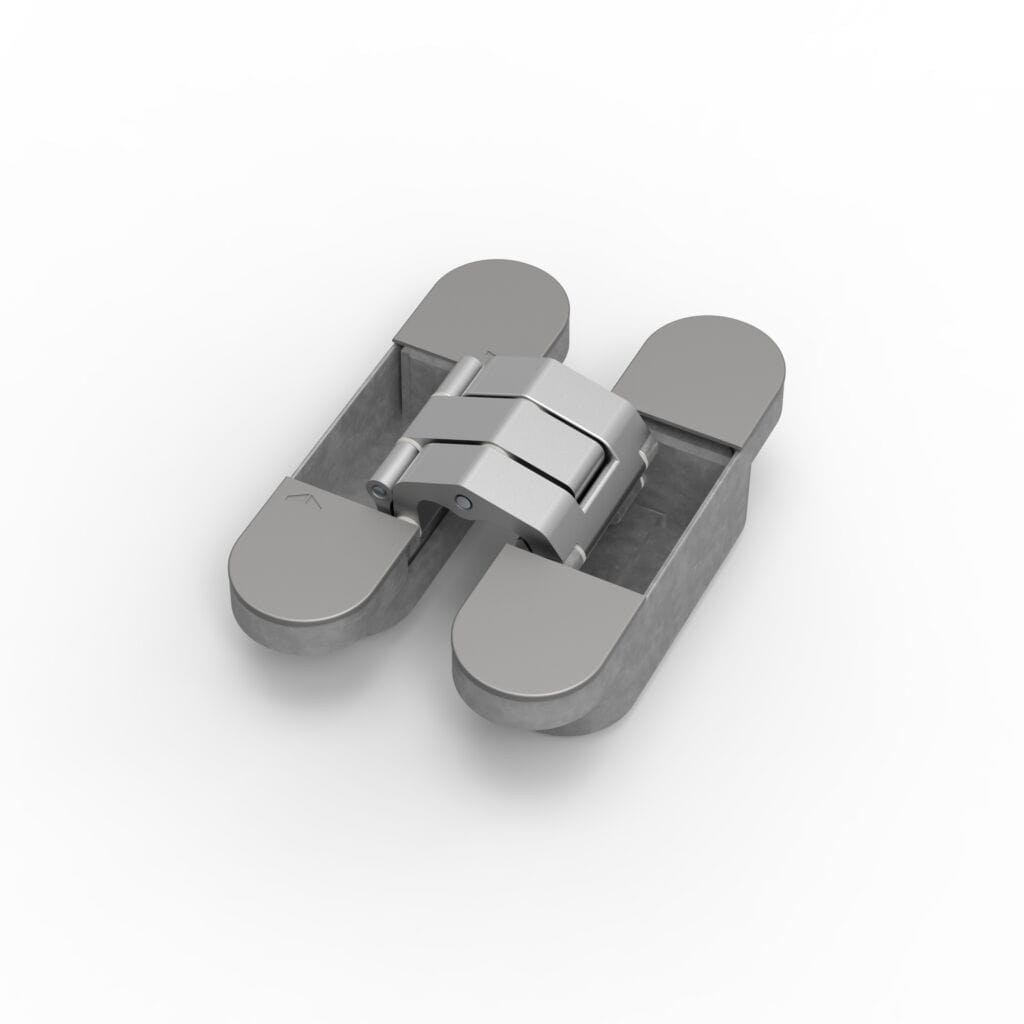 details →: Arlu® (Argenta) Invisible Tyo HingePrice range: NZ$70.00 through NZ$76.00








Clean lines, seamless function.
In a well-designed home, the small details often shape its appearance and feel. Concealed hinges allow for a flush finish — just a clean, modern look. If you want doors that sit neatly within the frame without visible fittings, this is the type of hardware you’re after. Also known as invisible or hidden hinges, concealed hinges are most often installed in:
- Internal swing doors
- Custom cabinetry and joinery
- Flush wall panelling systems
- Pivot or oversized doors (with appropriate hinge spec)
Concealed door hinges rely on precision fittings. They’re often found in high-end residential builds where clean lines and architectural consistency matter. At A’besco Architectural Hardware, we supply quality concealed door hinges to support lightweight and heavy-duty applications, from modern homes and cabinetry to large-format internal doors.
Concealed hinges for heavy doors and custom applications
Standard hinges won’t cut it for larger doors. We stock concealed hinges for heavy doors, including the ARLU Argenta Invisible Neo Hinge. This premium solution comes in a range of sizes to suit various door types and meet demanding architectural specifications. Built for performance and precision, the Neo Hinge allows doors to open up to 180° and is compatible with both left- and right-opening configurations.
Heavier concealed hinge models are ideal for full-height doors, solid core or acoustic doors, floor-to-ceiling panels and doors with hidden frames. Homeowners and designers also use concealed hinges for heavy doors where security is a priority. This is because the hinges are hidden, so there’s less chance that entry doors can be tampered with from the outside.
Consistent design, seamless finish
Designers choose concealed door hinges because they blend seamlessly with surrounding elements. With no visible barrels or plates, they work well with shadowline skirting, flush-mounted doors, minimalist interiors and integrated cabinetry.
Hidden hinges help the door sit flat and level with the wall or cabinet around it, making the whole space look cleaner and more connected. Designers often choose them for homes where visual flow matters, like open-plan layouts or gallery-style interiors, because they don’t interrupt the surface with visible parts.
For architects and joiners, they also make it easier to achieve a flush, modern finish without compromising on movement or alignment. Professionals looking for reliable hardware suppliers want concealed hinges that are easy to fit, built to last and available in finishes that match the rest of the project — and that’s exactly what A’besco Architectural Hardware delivers.
Choosing the right flush concealed hinges for your project
Selecting the ideal hardware requires balancing your aesthetic goals with the space’s structural demands to ensure long-term functionality. When specifying flush concealed hinges for a residential or commercial build, keep these essential technical factors in mind:
- Door dimensions and weight — Heavy solid-core doors, full-height panels and wider entryways require high-capacity concealed door hinges to prevent timber sagging and ensure smooth operation over time. For exceptionally large or heavy statement openings, specifying premium architectural pivots may be required to support the load.
- Frequency of use — High-traffic areas like main living spaces or commercial corridors demand robust concealed hinges engineered for constant operation, whilst low-traffic cupboards can utilise lighter-specification models.
- Door material and thickness — The substrate of your door must be thick enough to accommodate the precise mortise depth required for a secure hidden hinge installation without compromising the structural integrity of the door leaf.
- Complementary hardware integration — Your choice of hinge must work in harmony with the overall project specification, which is why we ensure our range seamlessly pairs with high-quality locks, latches and catches to maintain a unified design language throughout the property.
Advanced engineering and multi-axis adjustability
Achieving a flawless architectural finish requires hardware that accommodates real-world installation challenges. Premium concealed hinges feature advanced multi-axis engineering, allowing for precise 3D adjustability after the door is hung. Installers can easily fine-tune the height, depth and width of the door leaf without removing it from the frame.
This fluid adjustment capability ensures perfectly consistent gap tolerances and a seamless alignment. This precise level of control is vital when installing modern invisible doors where minor misalignments can disrupt the clean, flush aesthetic.
Why work with A’besco Architectural Hardware
We work closely with homeowners, builders and designers across Australia and New Zealand to deliver hardware that fits the brief. Our team knows the practical side of architectural hardware and can advise on weight, size, functionality and finish across different applications.
A’besco Architectural Hardware supplies high-quality concealed hinges designed to withstand frequent use while maintaining a clean, flawless finish. Contact us today to find the right concealed hardware for your space.
FAQs
A concealed hinge allows a door or panel to open and close without visible external hardware. Its design is clean and minimal, with no exposed parts interrupting the surface.
Hidden hinges have no disadvantages; it’s a matter of preference and design. However, concealed hinges need proper planning, precise fittings and high-quality hinges to work as intended. When installed correctly, they’re seamless and long-lasting, which is why A’besco Architectural Hardware only supplies premium options that are built to perform.
It depends on the model and the width of the door. As a general guide, two standard concealed hinges can typically support between 60–95 kg, while using three can increase the capacity to around 115 kg. Always check the manufacturer’s specs and installation method to get the right match.
Traditional butt hinges feature visible barrels and knuckles that permanently protrude outside the frame when a door is closed. Conversely, a premium hidden hinge is mortised completely into the door leaf and frame, rendering the hardware entirely invisible.
Hidden hinges are specialised fixtures commonly installed in high-end residential spaces that benefit from minimalist aesthetics. They feature heavily in flush wall panelling systems, hidden butler pantries, bespoke bedroom wardrobes and contemporary hallways. Specifying them allows builders to create completely seamless entries using sleek, modern invisible doors that blend directly into the surrounding interior vertical wall surfaces.
Yes, concealed door hinges are highly versatile but require careful material planning across different residential environments. Whilst excellent for internal openings, external installations strictly require marine-grade, weather-resistant materials to withstand harsh climate exposure and moisture.
Yes, high-quality concealed hinges feature integrated multi-axis engineering that allows for precise 3D adjustment after the initial installation process. Installers can effortlessly fine-tune the height, depth and lateral width using a standard hex key to achieve perfect gap tolerances without unhanging the heavy door leaf.
Yes, because they are completely enclosed within the door leaf and structural frame when closed, there are no exposed hinge pins or barrels accessible from the exterior side of the property. This internal configuration means intruders cannot cut, hammer out or tamper with the mechanism from the outside, providing a distinct security and safety advantage for residential entry doors.
These mechanisms work best on dimensionally stable substrates like solid-core timber doors, dense engineered wood panels and sleek aluminium-framed systems. The door leaf must have adequate thickness to accommodate the mortised hinge body without structural degradation.