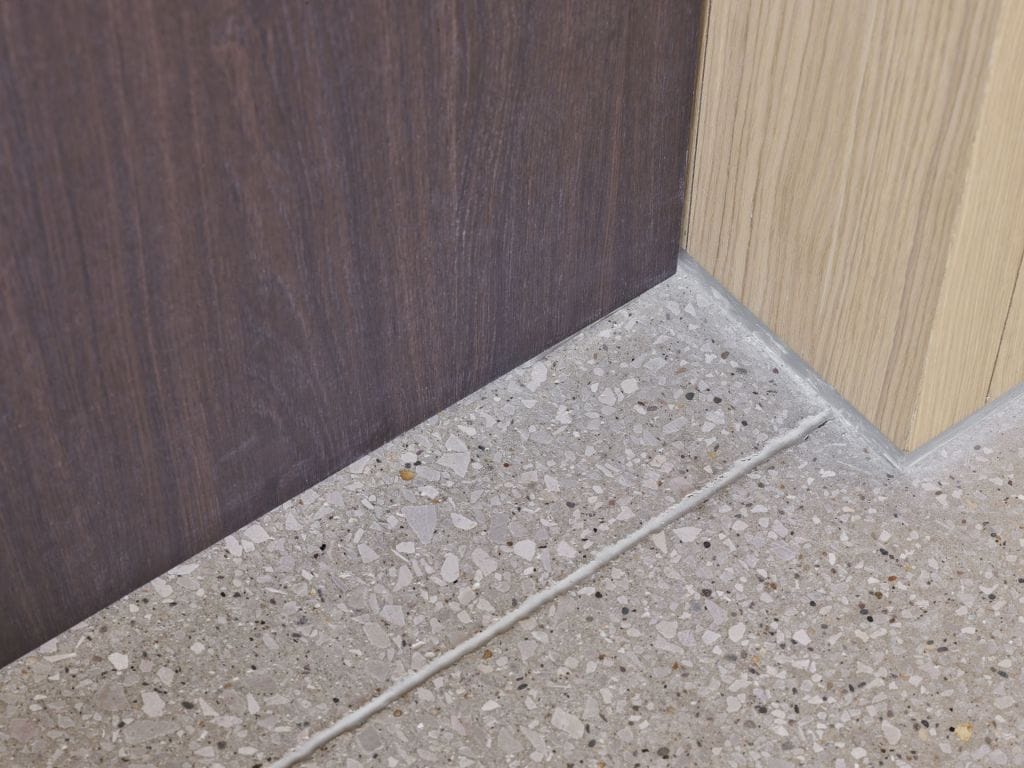
Magnetic Axis Innovation, Effortless Installation: The Next-Gen Concealed Pivot Hinge
Elevate modern interior spaces with fast installation, magnetic axis technology, and smooth self-closing motion for doors up to 100kg; without risking underfloor heating.
Redefining Pivot Hinge Installation & Design
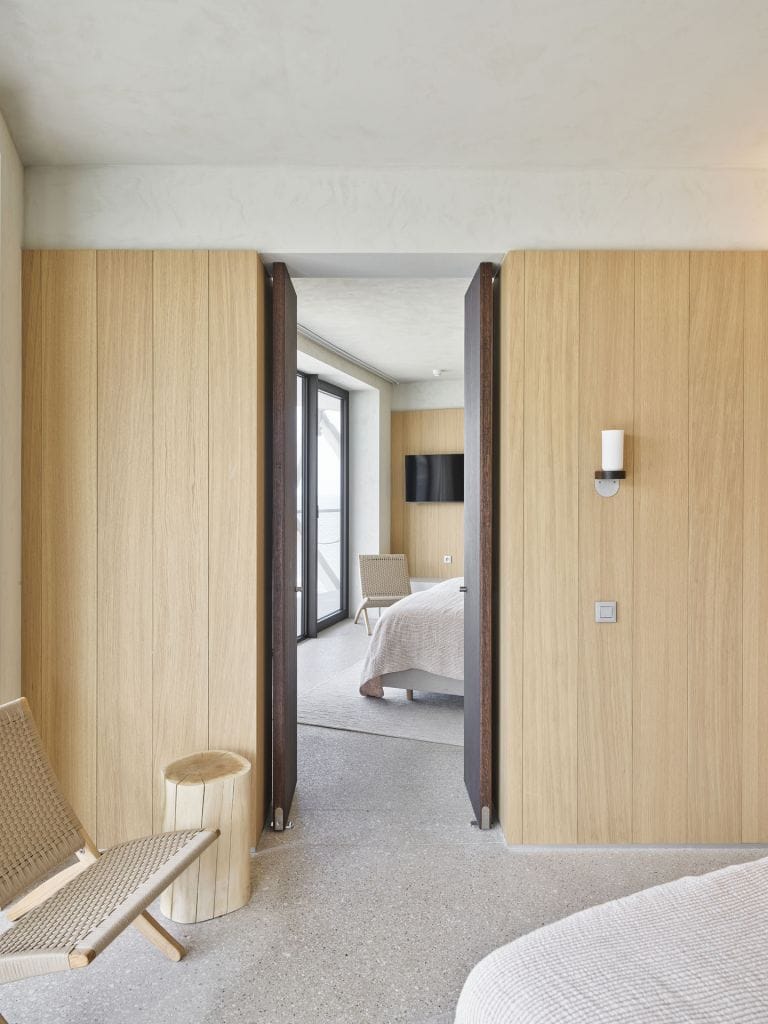
Interior pivot doors deliver an undeniable contemporary aesthetic. However, traditional pivot systems often present frustrating hurdles for joiners and builders: complex upper milling, tedious pin alignment during hanging, bulky floor cutouts, or doors that fail to sit flush with the wall over time.
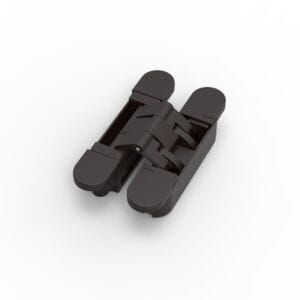
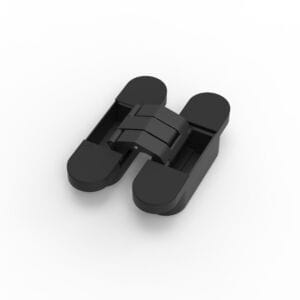
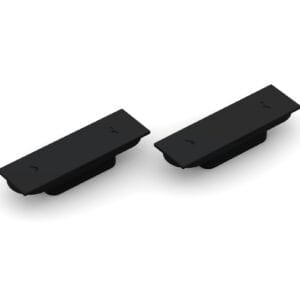
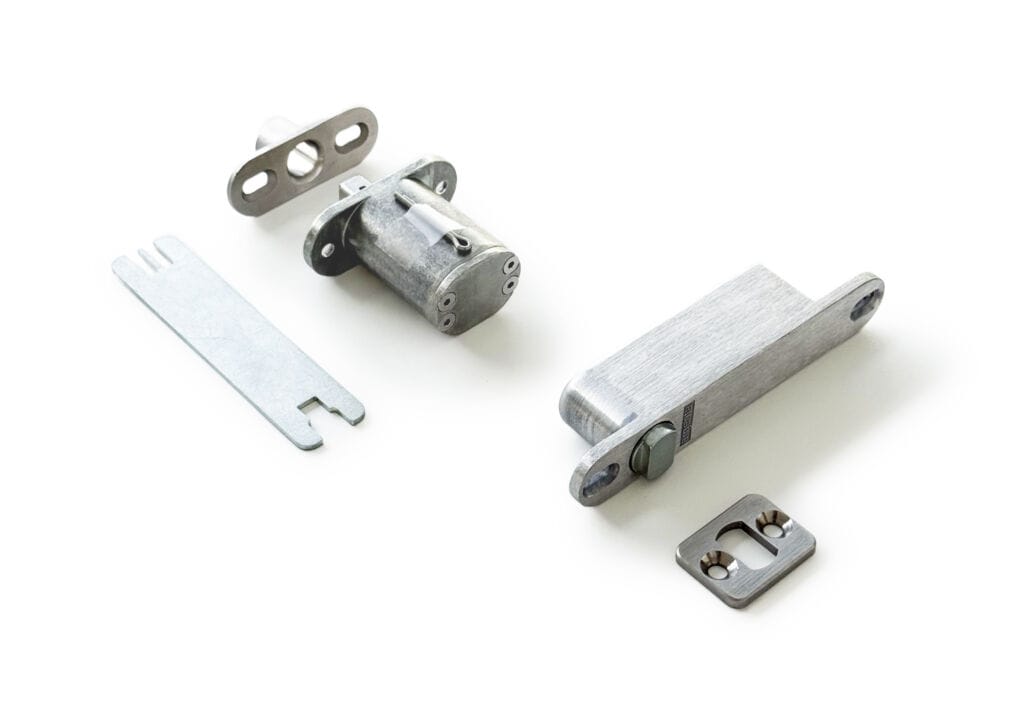
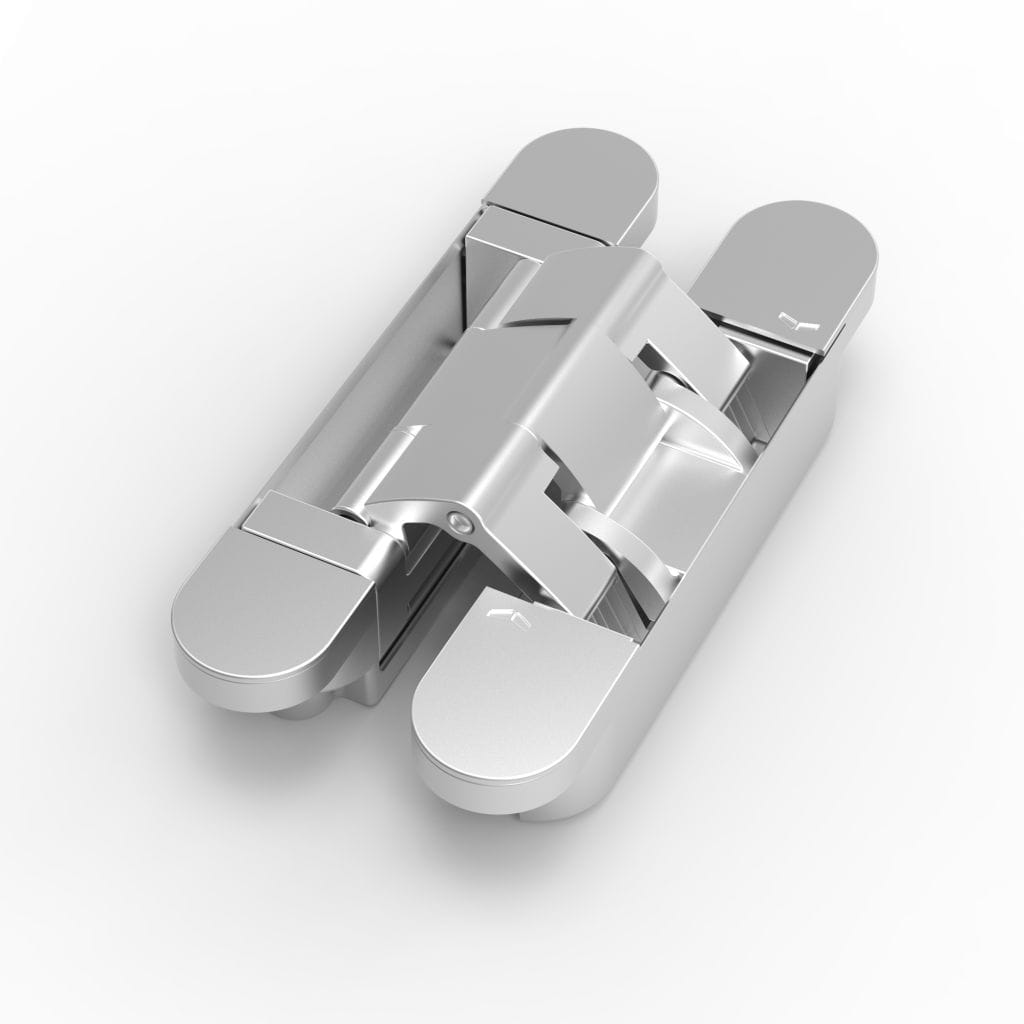
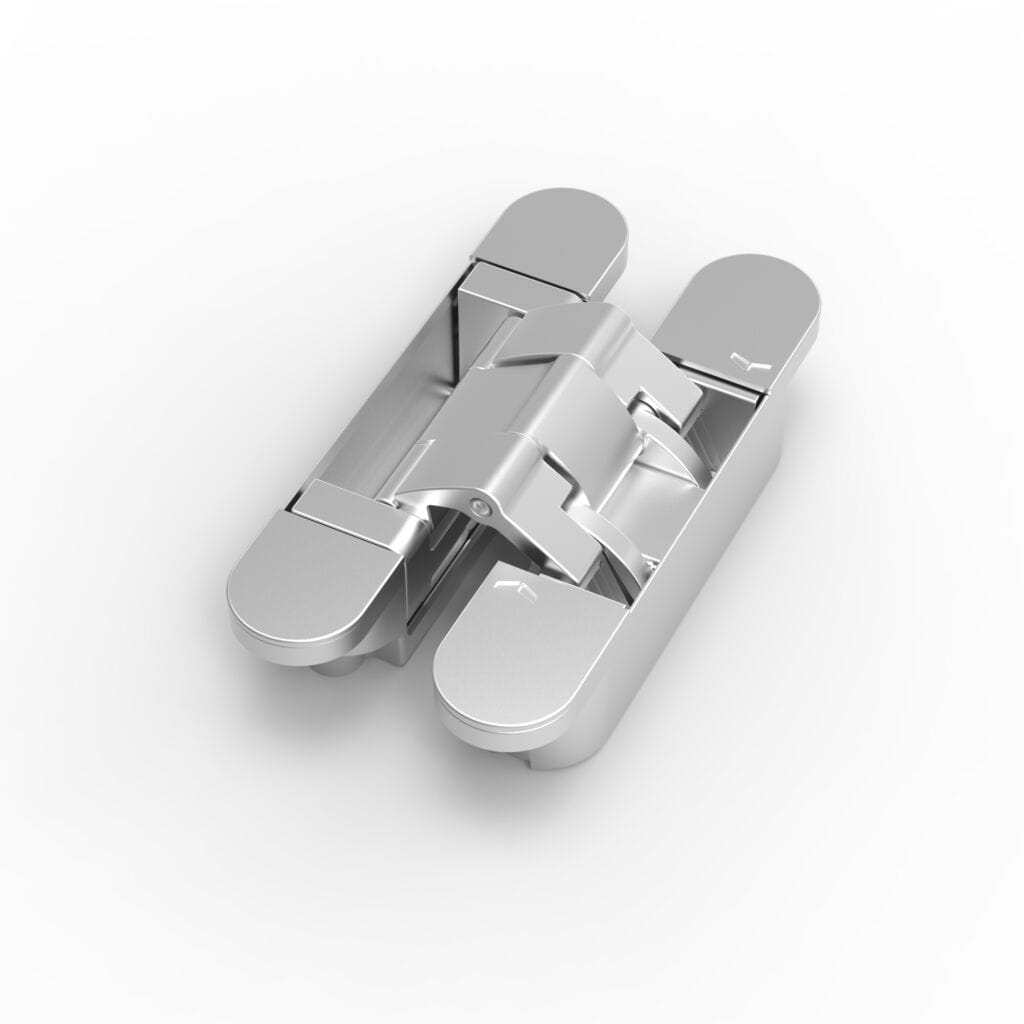
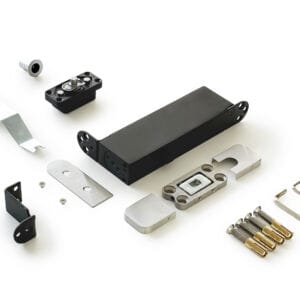
Enter the Arlu® (Argenta) Pivotica Pro E 100 FM F0.
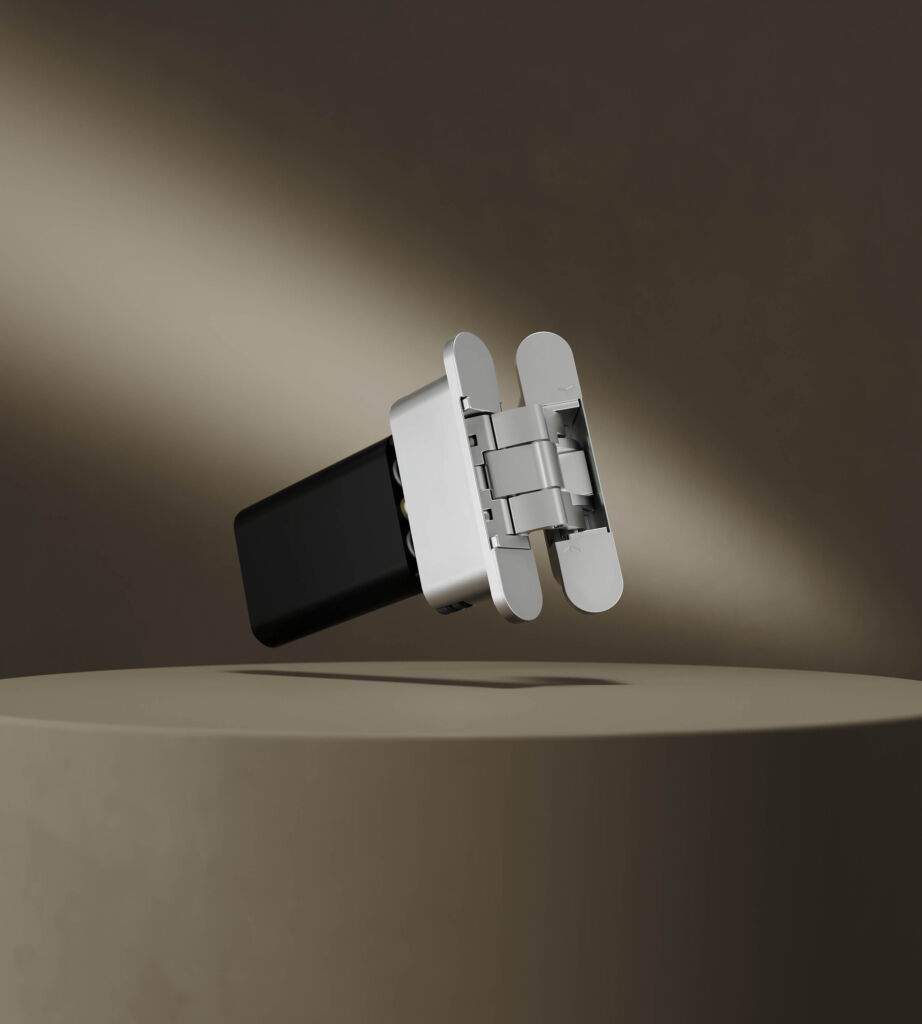
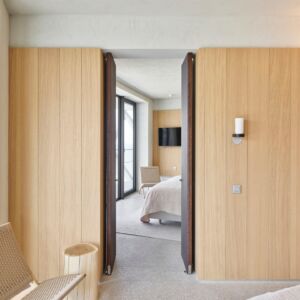
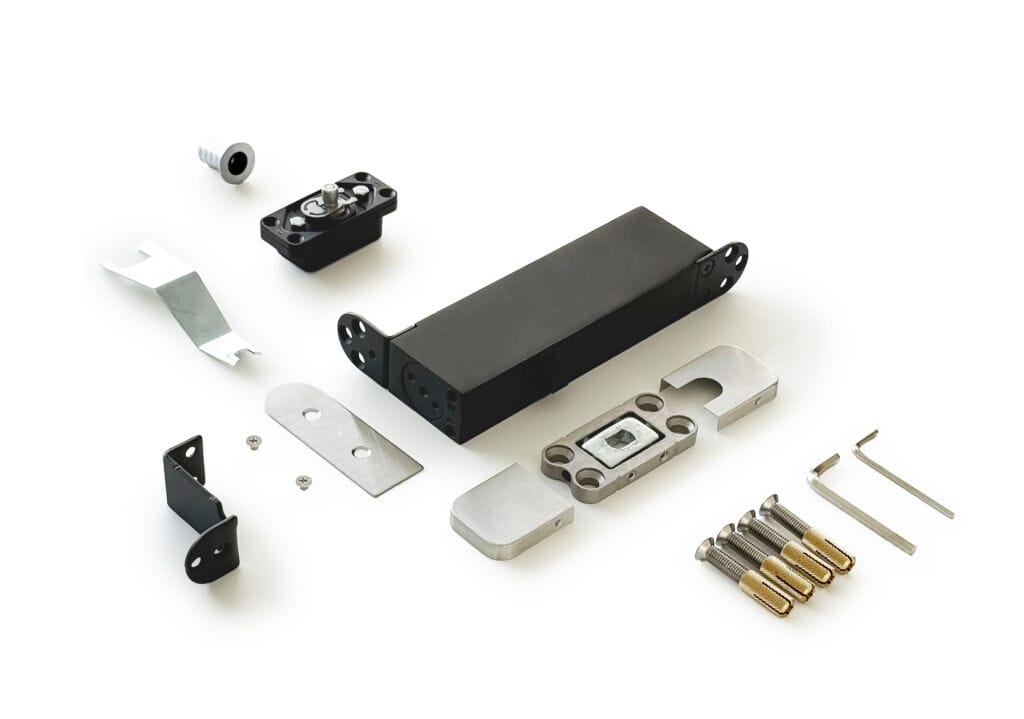
Engineered in Europe, the “E” series introduces next-generation installation technology to the renowned Pivotica line. Built specifically for timber and composite interior doors up to 100kg, the hardware remains completely concealed when closed, combining seamless aesthetics with effortless fitting.
What Does the “FM F0” Configuration Mean?
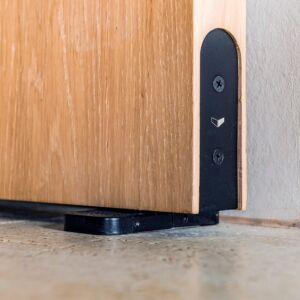
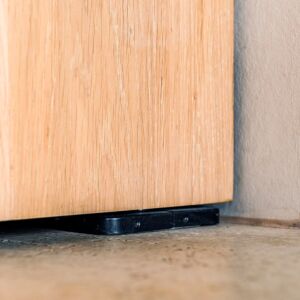
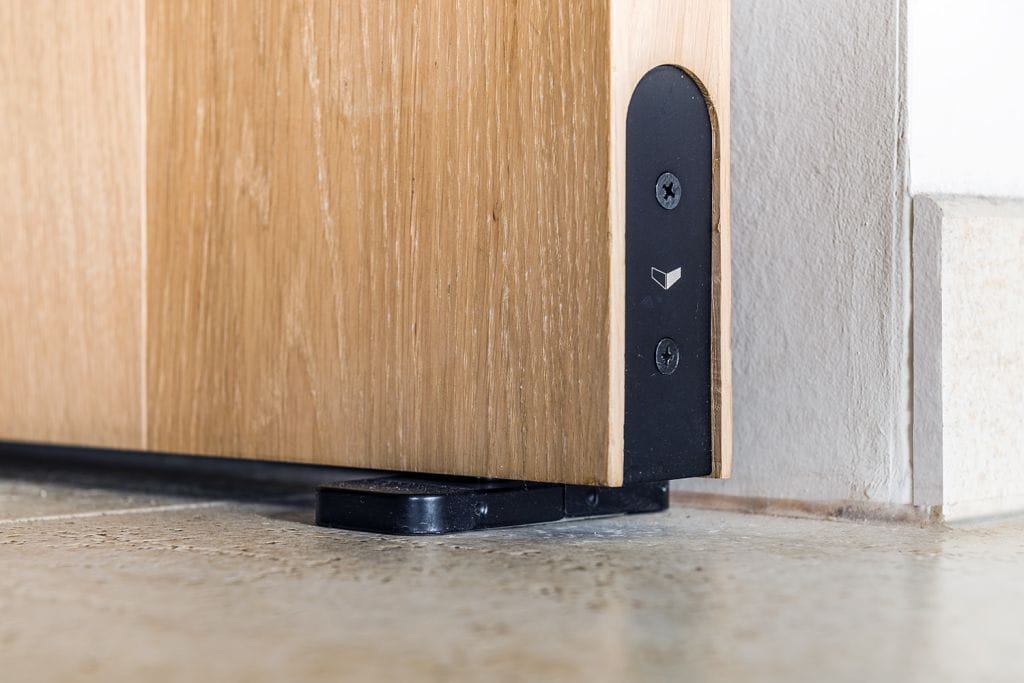
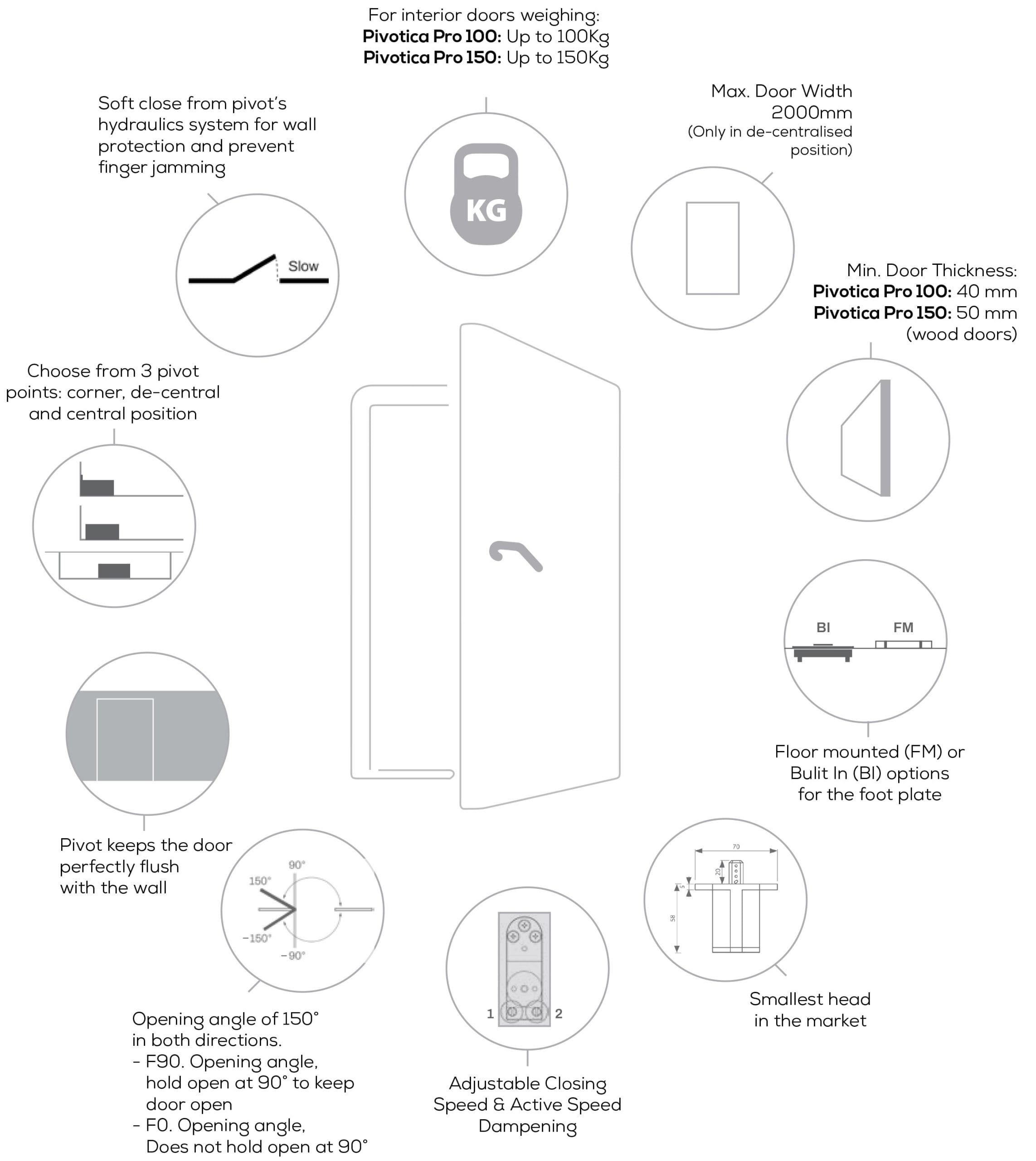
- FM (Floor Mounted): Features a surface-mounted footplate with minimal drilling depth, making it 100% safe for floors with embedded underfloor heating.
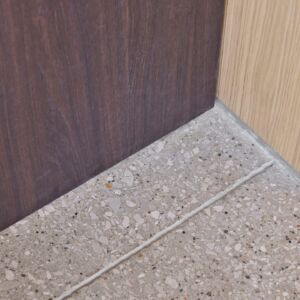
- F0 (Free Swing): Opens up to 150° in both directions and automatically glides back to a perfectly flush 0° closed position—keeping doors securely closed without a 90° hold-open catch.
Core Features & Benefits
Certified Quality: Complies with EN1154 European standards for door closing devices and is cycle-tested for over 200,000 smooth operations.
Magnetic Axis Technology: Features an innovative magnetic upper spindle that automatically pulls toward the ceiling part during mounting, dramatically simplifying installation.
Compact Upper Pivot Head: Designed with a smaller profile requiring less door milling while ensuring a clean, screw-free ceiling finish.
Versatile 100kg Capacity: Supports timber and engineered interior doors weighing up to 100kg, with height tolerances up to 3000mm and door thicknesses starting from 40mm.
Underfloor Heating Safe: The surface-mounted FM floor plate requires zero slab cutouts, preserving subfloor heating elements.
Active Hydraulic Damping: Equipped with a built-in 2-speed hydraulic mechanism that gently pulls the door to a flush 0° alignment while dampening momentum to prevent slams.
Flexible Axis Positioning: Install your pivot axis in a standard corner position (minimum 58.5mm offset for doors up to 1000mm wide), off-centre, or fully central (for doors up to 2000mm wide).
3D Precision Micro-Adjustment: Fine-tune door alignment effortlessly after hanging with 3D adjustability (+3mm width, +3mm depth, and +4° angle adjustment) to maintain clean shadow gaps.
| Matt Chrome | 91500135 |
| White | 91500139 |
| Black | 91500131 |
| BI Floor Part | 91500048 |
| Key Innovation | Magnetic Axis Technology for fast, single-person installation |
| Mounting Style | FM (Floor-Mounted surface footplate) |
| Function Option | F0 (Free Swing — 0° auto-return, no hold open) |
| Max. Door Weight | 100kg |
| Door Thickness | Min. 40mm |
| Max. Door Height | 3000mm |
| Max. Door Width | Up to 1000mm (Corner) | Up to 2000mm (De-centralised/Central) |
| Opening Range | 150° Bidirectional |
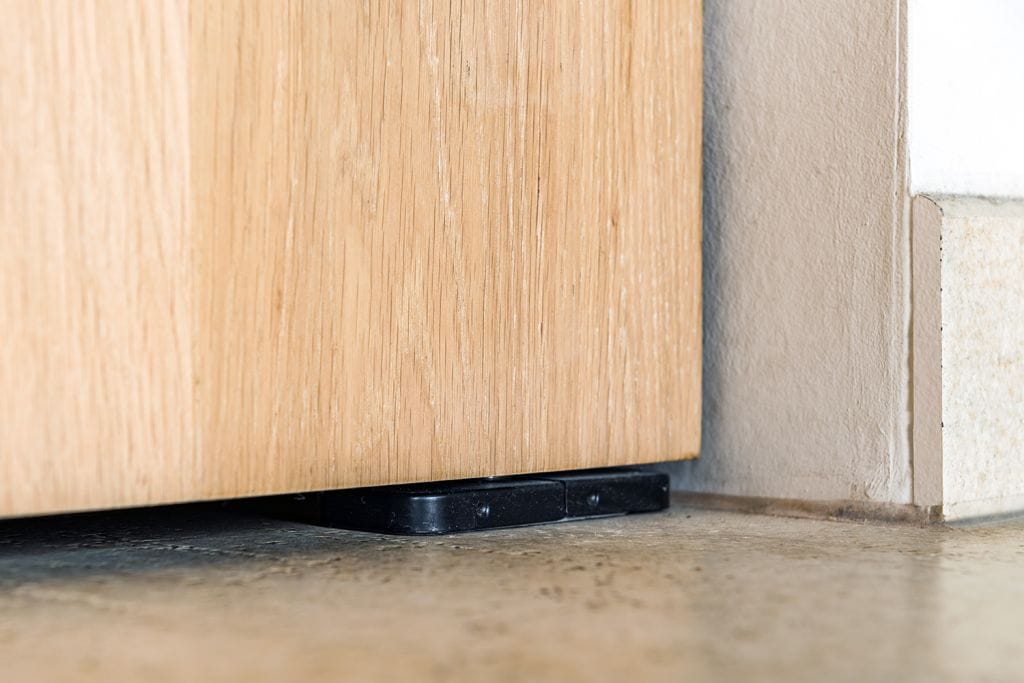
| Bottom Clearance | 13mm |
| 3D Adjustability | Width: +3mm | Depth: +3mm | Alignment: +4mm |
| Compliance | EN1154 Certified |
Selection Guide: Pro E vs. Standard Pro & F0 vs. F90
- Pivotica Pro E vs. Standard Pivotica Pro:
- Pro E (This Product): Includes magnetic upper axis technology and a smaller upper head for faster, easier installation and milling.
- Standard Pro: Uses traditional spring/pin upper pivot hardware.
- F0 (Free Swing) vs. F90 (Hold Open):
- F0 (This Product): Always self-closes back to 0°. Ideal for utility entrances, ensuite doors, or feature walls where doors should stay closed when not in use.
- F90: Features a mechanical hold-open catch at +90° and -90°.
- FM (Floor Mounted) vs. BI (Built-In):
- FM (This Product): Installs directly on top of finished floors with a 13mm bottom gap. Recommended for retrofits, timber floors, or slabs with underfloor heating.
- BI: Embedded floor plate recessed into subfloors prior to finishing for a tighter 5-11mm bottom clearance.
Pivot hinges are a type of hinge that allows a door to pivot from a single point at the top and bottom, rather than being hinged at the side like traditional door hinges. This creates a smooth and elegant opening and closing motion.
Pivot hinges are often used in both residential and commercial settings, including modern homes, offices, hotels, and retail spaces. They are particularly popular for large, heavy doors and for creating a sleek, contemporary look.
- Aesthetic Appeal: Provides a clean and modern look with minimal visible hardware.
- Durability: Suitable for heavy doors as the weight is evenly distributed.
- Smooth Operation: Allows for a seamless and elegant opening and closing motion.
- Space Saving: Ideal for areas with limited space as they do not require a full door swing area.
- Standard Pivot Hinges: For typical doors, offering basic functionality.
- Concealed Pivot Hinges: Suitable for heavy doors as the weight is evenly distributed.
- Smooth Operation: Allows for a seamless and elegant opening and closing motion.
- Heavy-Duty Pivot Hinges: Designed for larger and heavier doors, providing extra support and stability.
- Door Size and Weight: Ensure the hinge can support the door’s dimensions and weight.
- Application: Choose a hinge type that fits the intended use (e.g., concealed for aesthetic purposes, heavy-duty for large doors).
- Smooth Operation: Allows for a seamless and elegant opening and closing motion.
- Material and Finish: Select a material and finish that matches your door and décor.
Pivot hinges can be more complex to install than traditional hinges due to the need for precise alignment and fitting. Professional installation is recommended for optimal performance and safety.
Yes, there are specific pivot hinges designed for glass doors. These hinges typically include clamps or brackets to securely attach to the glass.
Pivot hinges generally require minimal maintenance. Regularly check for any signs of wear and tear, ensure the pivot points are clean, and occasionally lubricate moving parts to ensure smooth operation.
Yes, pivot hinges can be used for exterior doors. However, it is essential to choose hinges made from weather-resistant materials to withstand outdoor conditions.
Yes, some pivot hinges are compatible with automatic door systems. Ensure that the pivot hinge and automatic system are designed to work together.
Pivot hinges are typically made from durable materials such as stainless steel, brass, or aluminum to ensure longevity and strength.
Pivot hinges can contribute to accessibility by allowing doors to open more widely and smoothly, making it easier for individuals with mobility challenges to pass through.
Ready to Upgrade Your Hardware Specifications?
Experience faster installation and refined minimalism with the Arlu® Pivotica Pro E 100 FM F0.