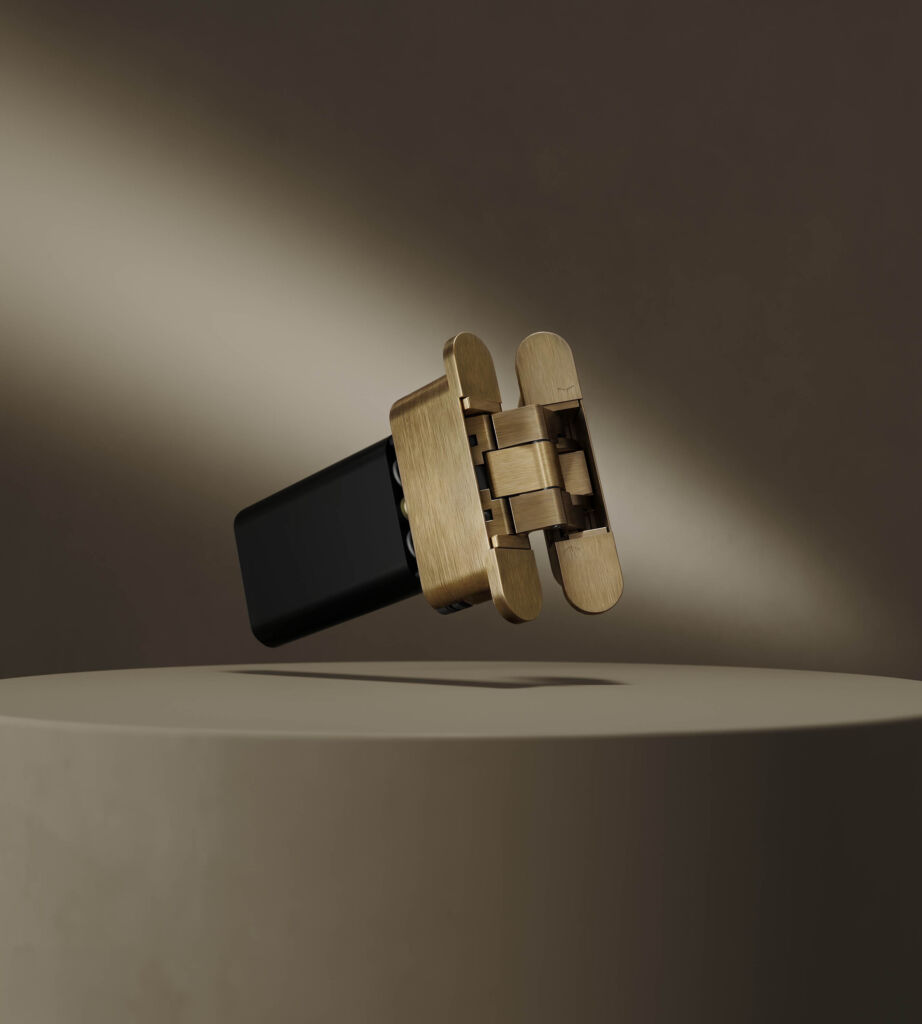
Integrated Self-Closing Power, Invisible Elegance: The 3D Adjustable Self-Closing Hinge
Achieve automated, self-closing motion for interior doors up to 60 kg with a completely concealed hinge—no overhead closers or floor springs required.
Pure Minimalist Architecture with Automated Closing
Flush architectural doors create seamless, uncluttered wall planes. However, keeping doors reliably closed usually requires bulky overhead door closers or floor springs that ruin clean design lines.
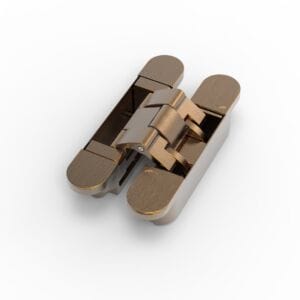
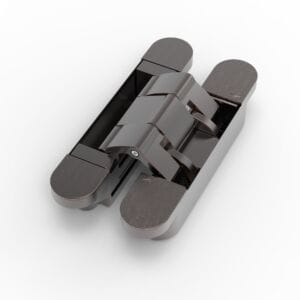
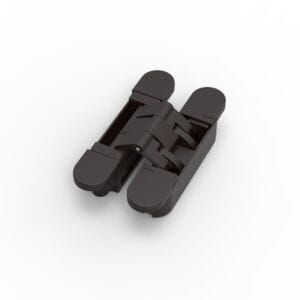
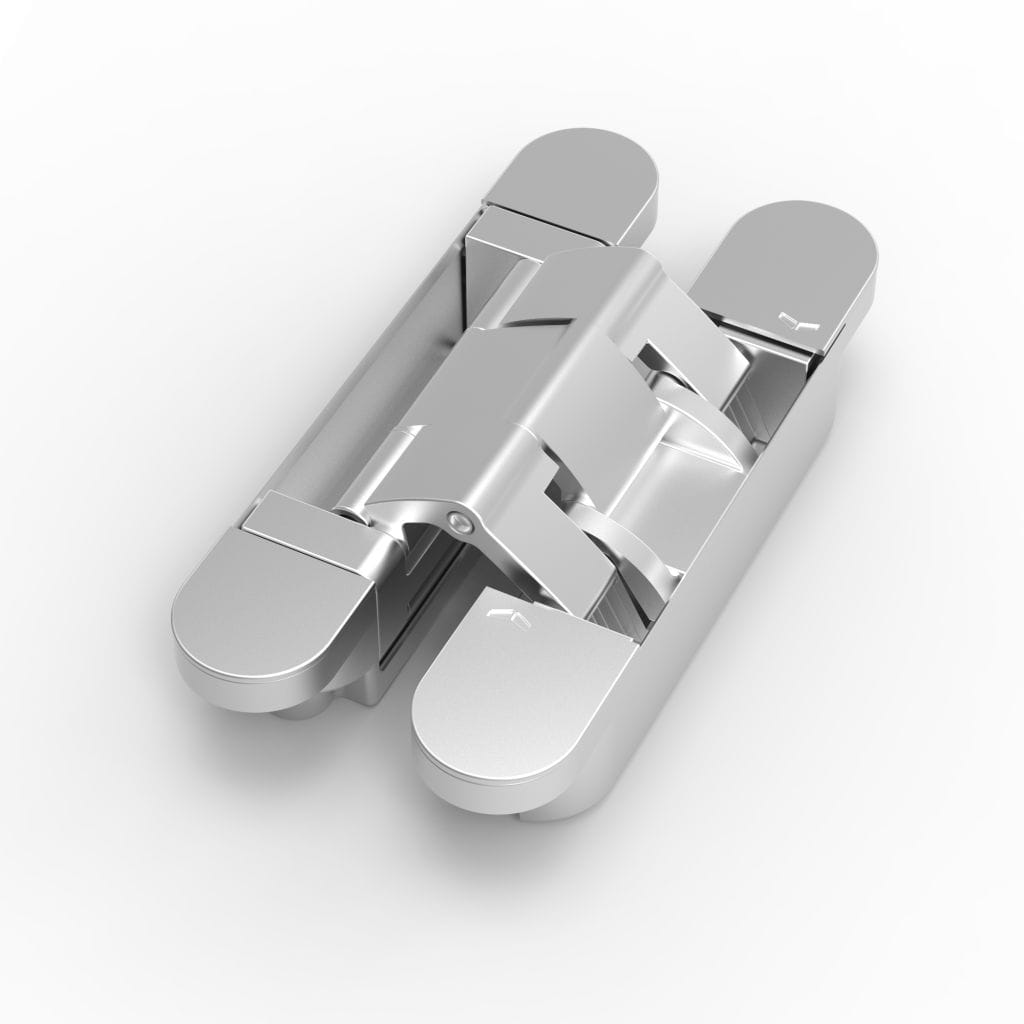
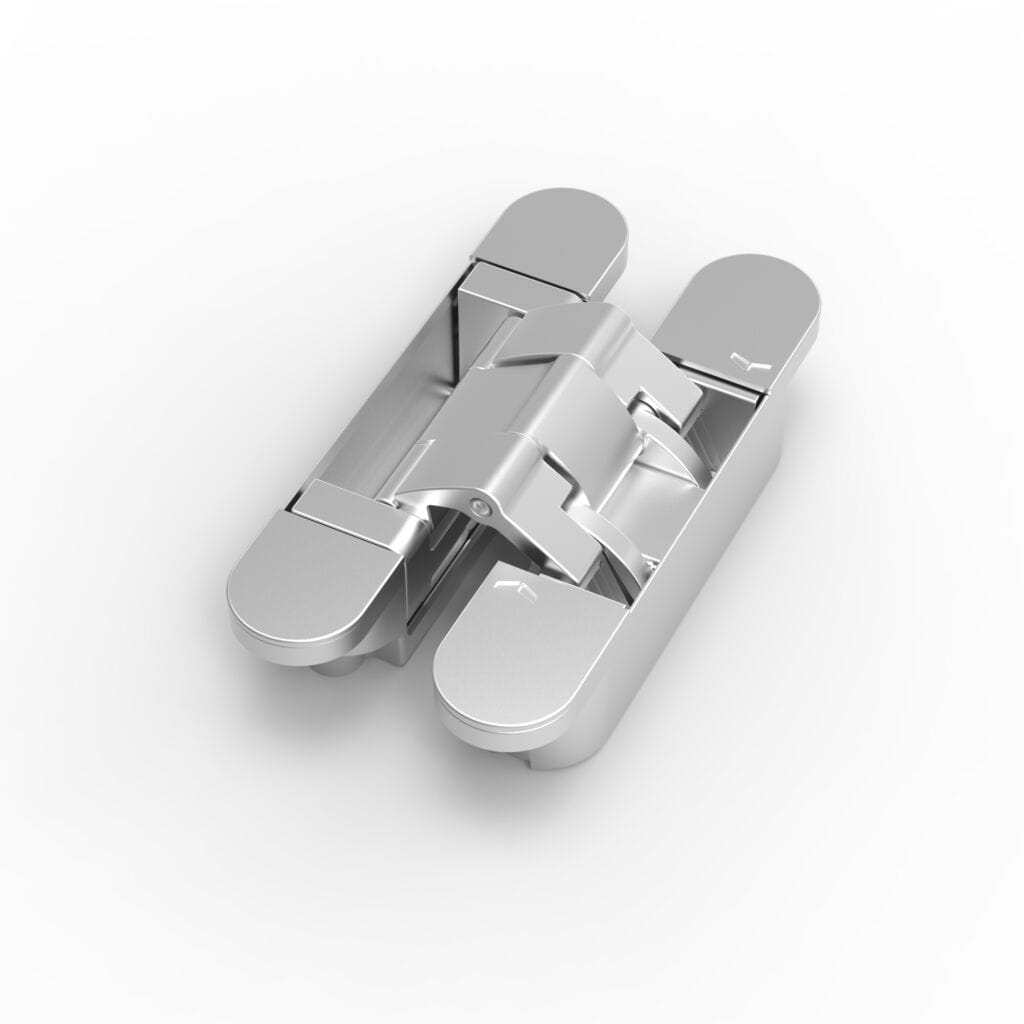
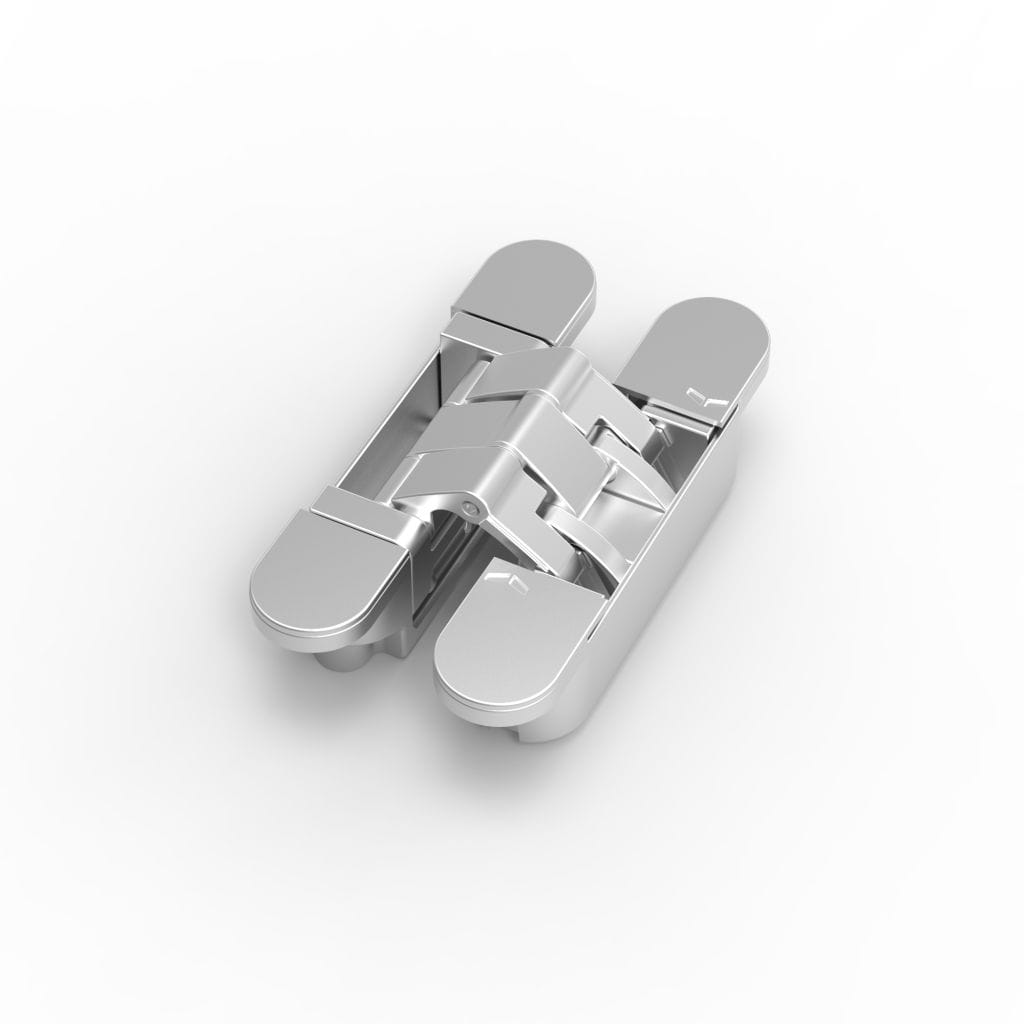
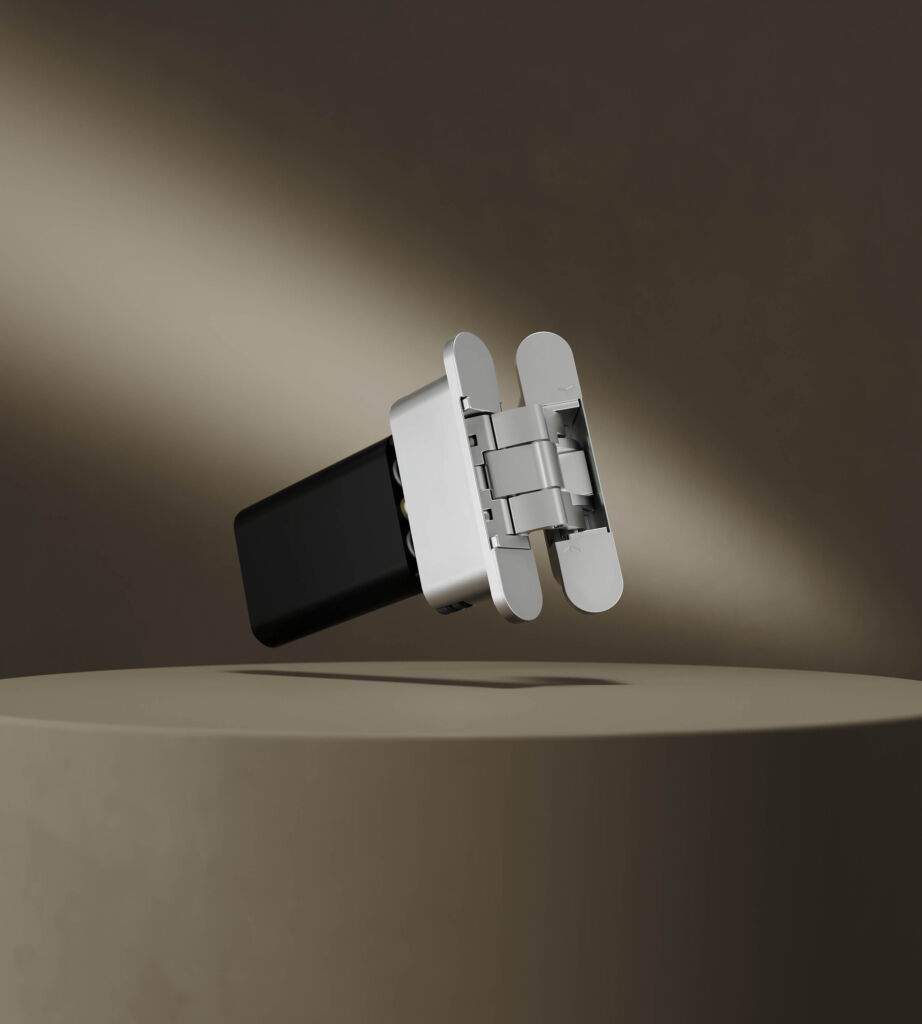
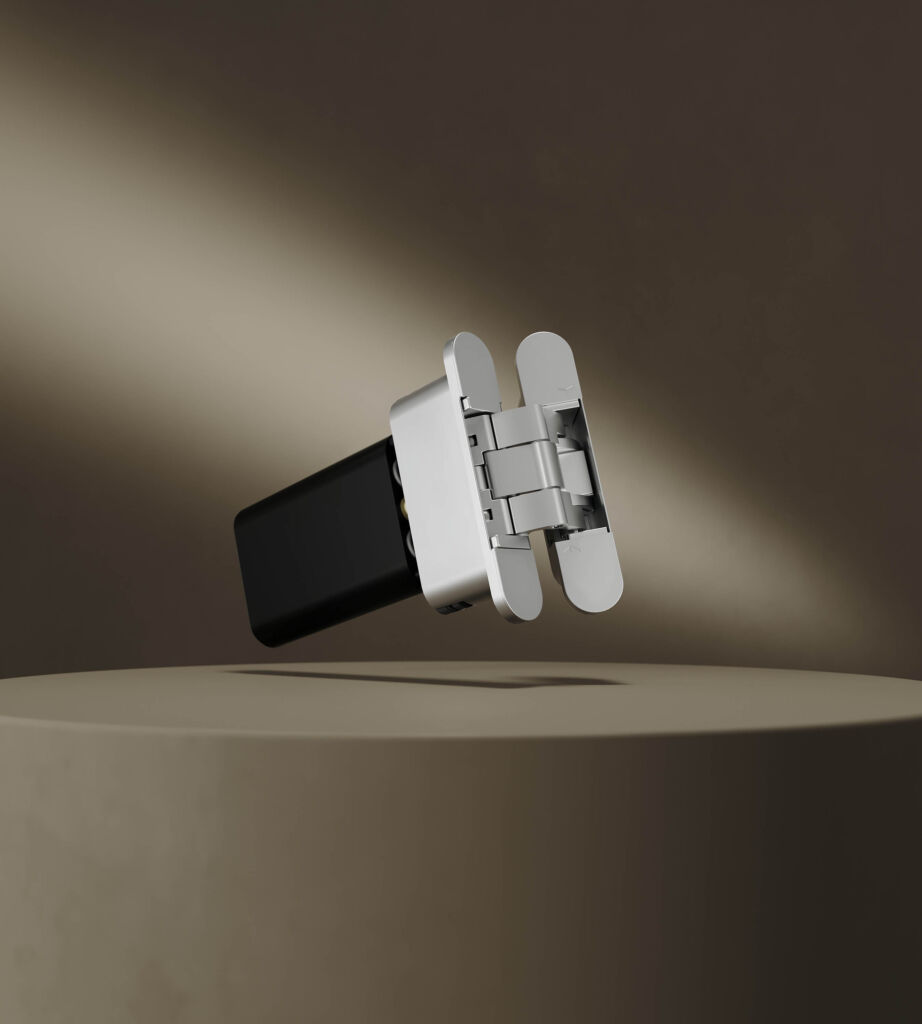
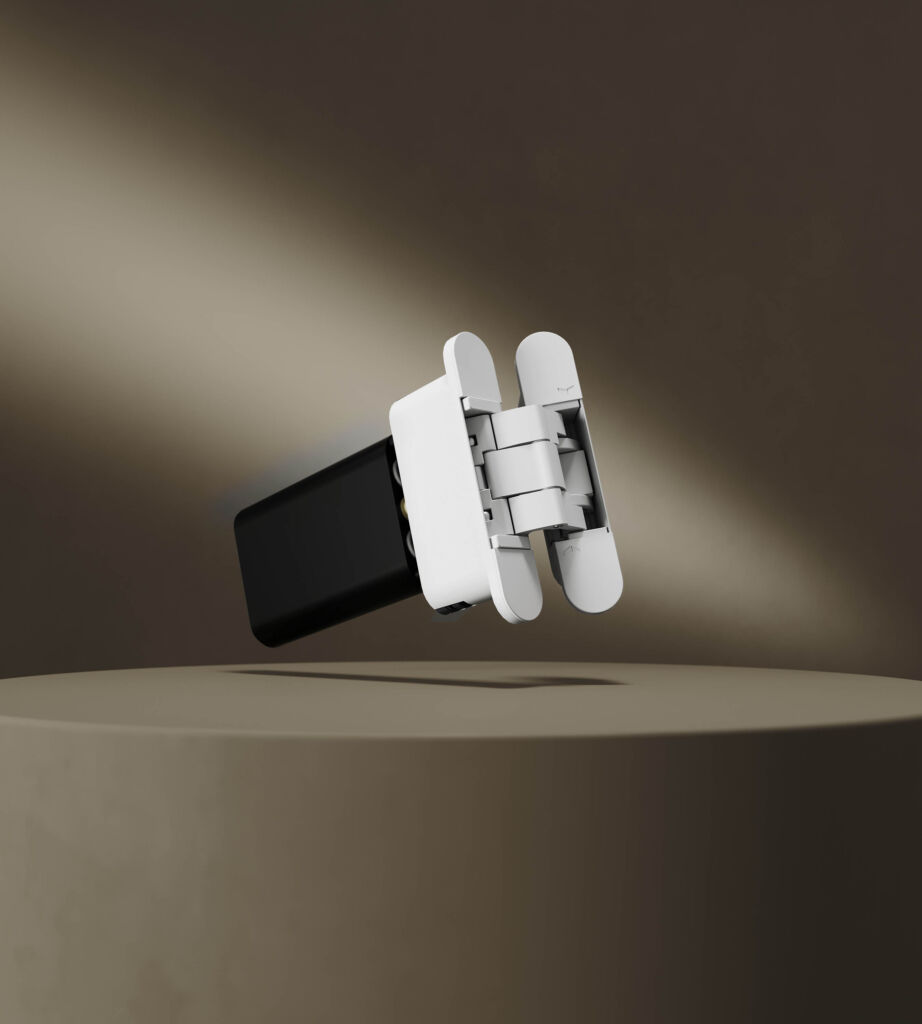
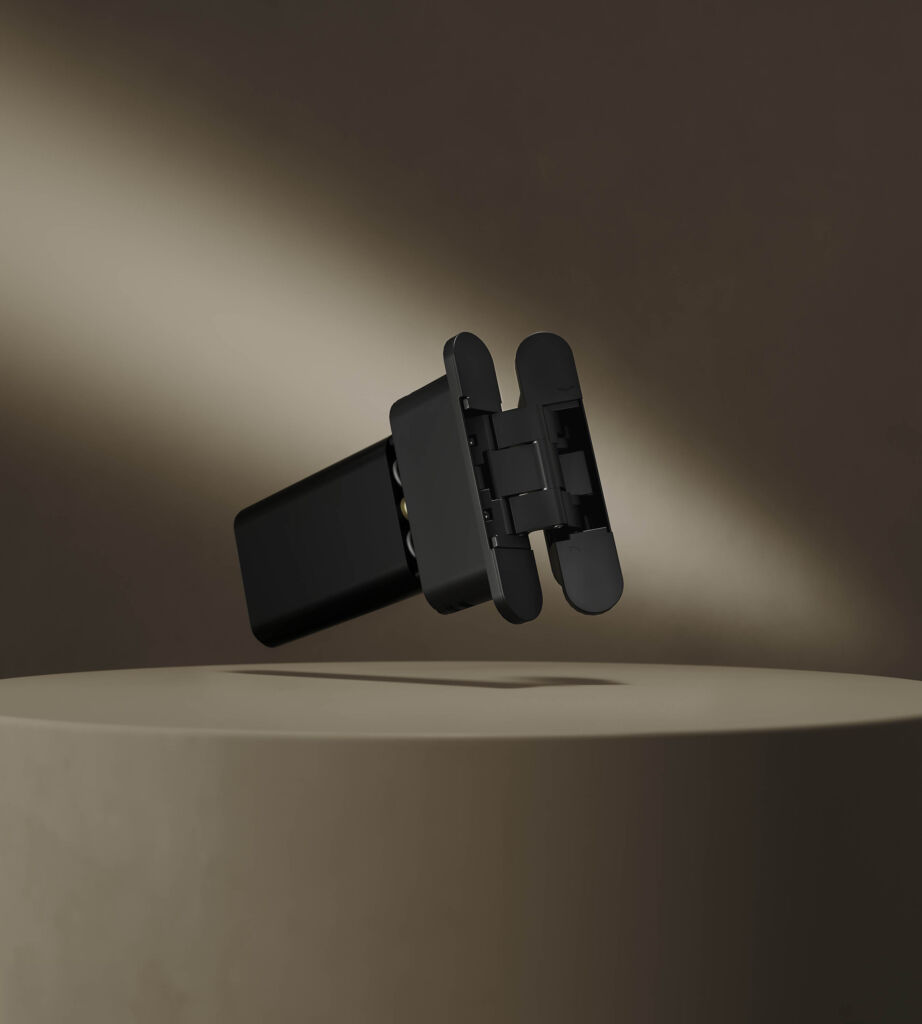
Enter the Arlu® (Argenta) Invisible Neo M6 Selfclose.
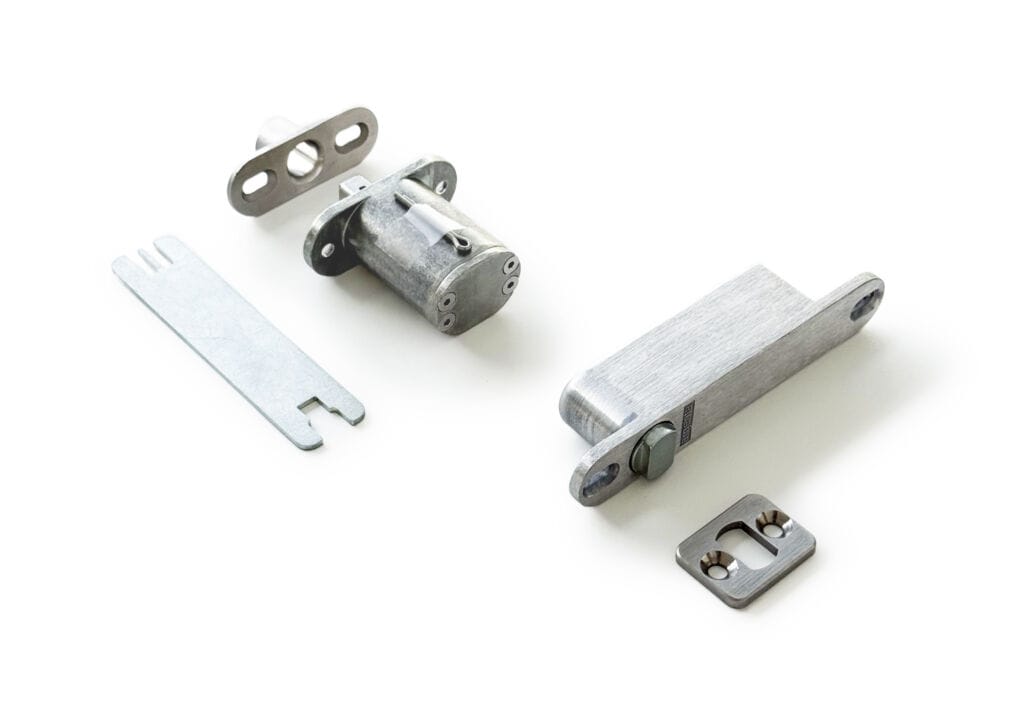
Engineered in Europe, the Neo M6 Selfclose integrates an advanced hybrid self-closing mechanism directly inside the door leaf housing. Appearing identical to standard concealed hinges when installed, it automatically pulls doors closed—with an accelerated final movement to ensure latches catch reliably every time.
How Does the Selfclose Hybrid System Work?
Mechanical & Hydraulic Hybrid: Combines dual mechanical pressure springs to pull the door shut with a hydraulic damper to gently cushion the final closing motion.
Patented Latching Acceleration: Features a patented mechanical system that speeds up slightly at the very end of travel, ensuring the door firmly engages into the lock or magnetic catch.
1 Self-Closing Hinge Per Door: Only one Neo M6 Selfclose hinge is needed per door (paired with standard Neo M6 hinges) to automatically close doors weighing up to 60 kg.
Core Features & Benefits
Up to 60-Minute Fire Rating: E60 fire resistant (EN 1634-1 certified with optional intumescent kit) for total peace of mind.
Heavy-Duty Capacity: Designed to support standard doors up to 100kg with 3 hinges (or up to 115kg depending on panel width).
100% Invisible Hardware: Matching cover plates conceal all mounting screws and adjustment mechanisms, open or closed.
180° Swing: Full-range clearance with zero visual obstruction.
Universal Handing: Fully reversible design fits both left- and right-opening doors.
Zero-Maintenance Operation: Self-lubricating argentalon® bearings guarantee smooth, silent action with no grease required.
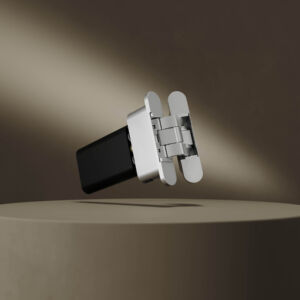
| Matt Chrome | 70000300 |
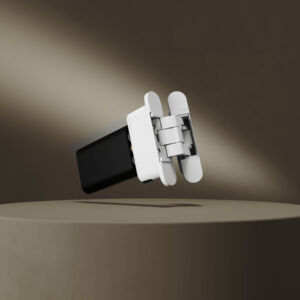
| White | 70000302 |
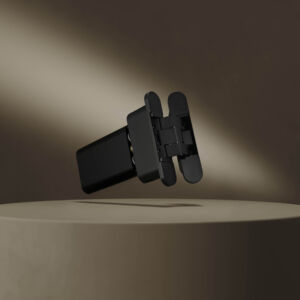
| Black | 70000301 |
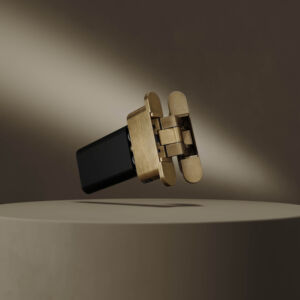
| Classic Bronze | 70000303 |
Max. door weight according to door width
| Number of hinges | 2 | 3 |
| 730 | 95kg | 115kg |
| 830 | 90kg | 110kg |
| 930 | 85kg | 105kg |
| 1030 | 80kg | 100kg |
Selection Guide: Neo M6 Selfclose vs. Standard Neo M6
Installed alongside the Neo M6 Selfclose on the same door leaf to provide support and stability.
- Neo M6 Selfclose (This Product):
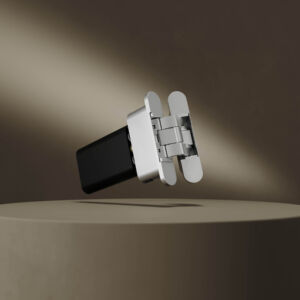
- Features an extended 180mm door mortise depth housing the internal hydraulic/spring mechanism.
- Automatically closes timber interior doors up to 60kg.
- Standard Neo M6:
- Standard free-swing concealed hinge for manual opening/closing.
General Questions
A concealed hinge, also known as a hidden or invisible hinge, is a type of hinge designed to be completely hidden when the door is closed. Unlike traditional hinges, concealed hinges enhance the aesthetic appeal by providing a clean and seamless look.
Concealed hinges are widely used in residential, commercial, and public spaces. They are particularly popular in minimalist designs, luxury interiors, and high-traffic areas where aesthetics and functionality are paramount.
Benefits of Concealed Hinges
- Sleek Design: They provide a flush, screw-free appearance, enhancing the overall aesthetic of the door and space.
- Durability: Built to withstand frequent use, they are often cycle-tested for long-term reliability.
- Safety Features: Many concealed hinges offer finger protection by minimizing gaps between the door and the frame.
- Adjustability: Most concealed hinges provide 3D adjustment (height, width, and depth) for precise alignment.
- Wide Opening Angle: They typically allow for larger opening angles, up to 180°, improving accessibility.
Concealed hinges are designed to support significant door weights while maintaining smooth and durable operation. When installed correctly, they can perform as well as or better than traditional hinges, especially for modern applications.
Compatibility and Applications
Yes, concealed hinges are suitable for a wide range of doors, including:
- Lightweight doors: with smaller hinges
- Medium-weight doors
- Heavy doors: with larger, load-bearing hinges</ br>It’s essential to select the correct hinge size and model for the specific door type and weight.
Most concealed hinges are universally compatible, meaning they can be used for both left- and right-opening doors.
Yes, concealed hinges can often be installed on existing doors, provided there is enough material in the door and frame to accommodate the hinge. However, some retrofitting may be required.
Installation and Adjustments
Many concealed hinges are designed for easy installation. Features like pre-aligned templates and innovative mechanisms (e.g., ‘easy hook’ designs) simplify the process. However, precise measurements and careful installation are essential to achieve optimal results.
Common tools include a drill, screws, screwdrivers, and sometimes a router for creating hinge recesses. Some concealed hinges come with installation guides or templates for added convenience.
3D adjustability refers to the ability to adjust the hinge in three dimensions:
- Height: Up or down for proper door positioning.
- Width: Side-to-side for perfect alignment.
- Depth: In or out for flush fitting with the frame.</ br>This feature ensures precise alignment and smooth door operation, even after installation.
Maintenance and Durability
Concealed hinges are highly durable and often tested for long-term use, typically exceeding 200,000 open-close cycles. They are made from robust materials to withstand wear and tear.
Minimal maintenance is required. Occasional cleaning and lubrication may be needed to ensure smooth operation. It’s also a good idea to periodically check alignment and make adjustments if necessary.
Design and Aesthetic
No, concealed hinges are designed to hide screws, even when the door is open. This provides a clean and seamless appearance.
Yes, concealed hinges are perfect for minimalist and modern designs. They keep the focus on the door and room’s architecture by eliminating the visual clutter of traditional hinges.
Troubleshooting
Check the alignment using the hinge’s 3D adjustability features. Adjust the height, width, or depth to ensure proper positioning. If the problem persists, verify the installation measurements.
Replacing concealed hinges is relatively straightforward if you use the same hinge model. For different models, you may need to adjust or expand the hinge recess.
Additional Information
Yes, certain models of concealed hinges are designed specifically for heavy or large doors. Be sure to choose a hinge with the appropriate weight and size rating.
Many concealed hinges are compatible with fire-rated doors, but it’s essential to confirm the hinge’s certification and specifications for fire-rated applications.
While the hinge is mostly concealed, some models offer different finishes for visible components to match the door or frame’s design.
For assistance, contact the retailer or manufacturer where you purchased the hinge. They can provide technical support, replacement parts, or additional resources.
Complete Your Specification
Combine self-closing convenience with invisible architectural styling using the Arlu® Invisible Neo M6 Selfclose Hinge.